




Blog

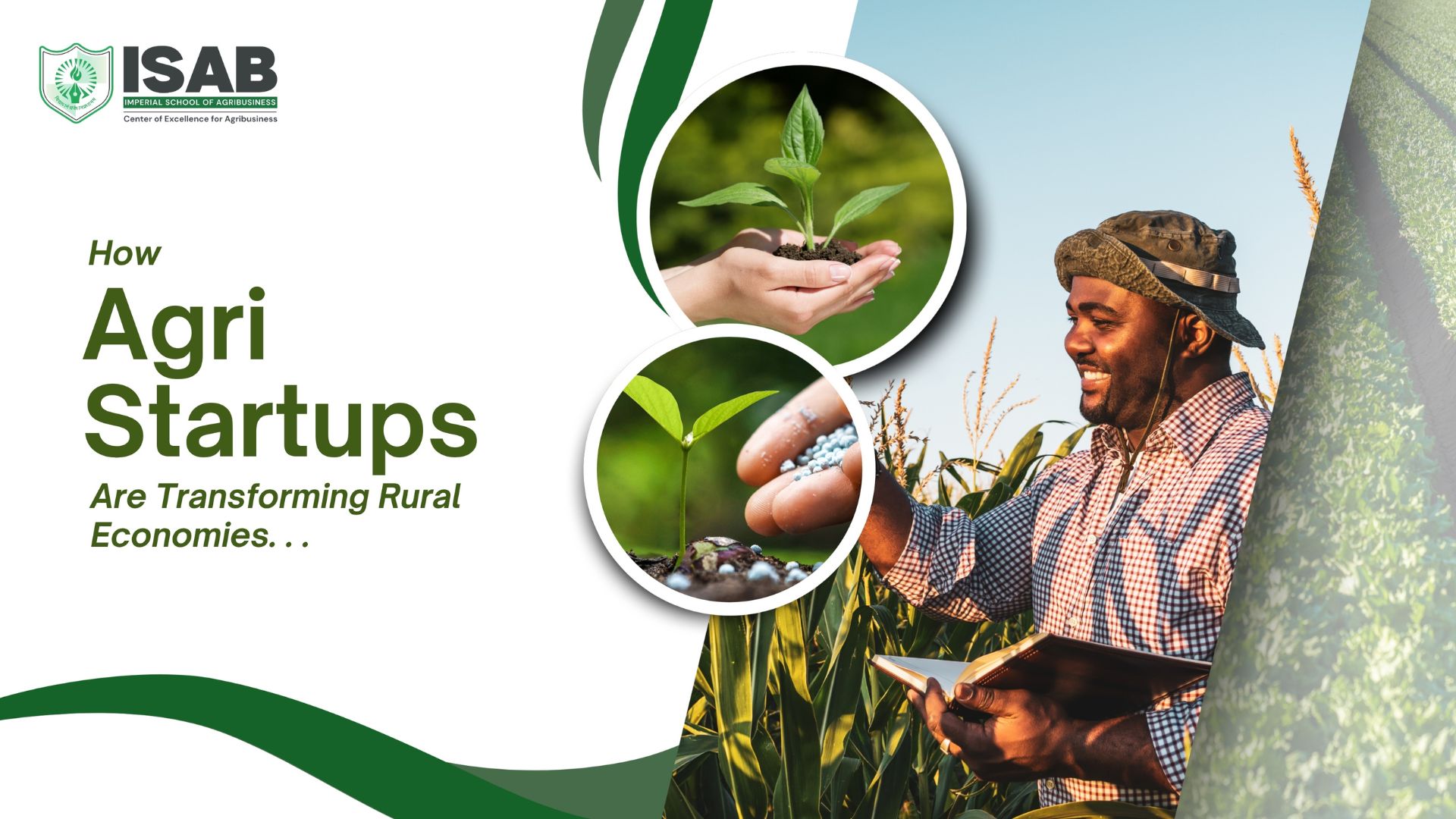
How Agri Startups Are Transforming Rural Economies

29 Jun, 2026

How Agri Startups Are Transforming Rural Economies

Agriculture has been a key contributor to the rural economy in India. But there are drawbacks to traditional farming methods, including low productivity, limited market access, and reduced weather resilience. Agri startups have become significant catalysts for rural development in recent years, bringing fresh ideas and solutions to help farmers enhance their income and boost the local economy.


The emergence of agri-startups in rural areas of India.

The upsurge of agri startups has revolutionised the agriculture sector in many rural areas. These are startups addressing agricultural issues using tech, data, and modern farming. They are assisting farmers in making decisions and minimising losses by offering weather forecasts and digital marketplaces.


Students from agriculture, rural management, and entrepreneurship colleges are also taking an interest in exploring avenues in agri-entrepreneurship and start-ups. Schools are driving innovation through research projects and startup incubation programs, leading to a new breed of entrepreneurs.


Improving Farmer Income


Helping farmers to generate better incomes is one of the greatest contributions of agri startups. Using better seed, precision farming techniques, and real-time data, farmers can boost yields and cut production costs.


There are also a few startups that directly connect farmers with buyers, thus avoiding the need for intermediaries. It will give farmers the right to receive a fair price for their products and enhance their profitability.


Technology is a key enabler of agricultural growth.


In most cases, agri startups are based on modern technology. Agriculture is increasingly adopting tools such as artificial intelligence, drones, mobile applications, satellite monitoring, and Internet of Things (IoT) devices.


They enable farmers to track crop health, optimise water management, and detect potential issues early, thus contributing significantly to the sustainability of food production. This results in more productive and sustainable farming activities.


Providing employment and rural development


Agri startups are creating new jobs in rural areas beyond agriculture. Logistics and supply chain roles, digital services, equipment maintenance and agricultural consulting are gaining popularity.


This expansion helps local economies earn money and reduces migration from villages to cities. Increasing rural entrepreneurship leads to increased self-reliance and economic stability among communities.


Challenges and Future Opportunities 


Although successful, agri startups have also encountered challenges like inadequate infrastructure, limited financial resources, and a lack of digital skills in rural areas. But governmental measures, enhanced internet connectivity, and growing investor interest are providing favourable conditions for growth.


With ongoing innovation, the contribution of agri startups to bolster the agricultural sector and drive rural prosperity in India will only grow.


Conclusion


Agri startups are changing the economic landscape of rural areas through their impact on productivity, farmers' incomes, access to markets, and job creation. They are on the rise and a testament to the power of innovation to solve age-old problems in agriculture and deliver sustainable development in rural areas.


Academic institutions like ISAB Greater Noida (Imperial School of Agribusiness) provide students and aspiring entrepreneurs with exposure to emerging opportunities and trends in the agri-business ecosystem.

Frequently Asked Questions

Agri startups contribute to rural development by introducing innovative farming solutions, improving productivity, creating jobs, and helping farmers access better markets and services.

They provide modern farming technologies, improved supply chain solutions, direct market connections, and data-driven insights that help farmers increase yields and secure better prices.

Common technologies include artificial intelligence, drones, IoT devices, mobile applications, satellite imagery, precision farming tools, and digital marketplaces.

They connect farmers directly with buyers, retailers, and processors through digital platforms, reducing dependence on intermediaries and improving price transparency.

Yes, agri startups generate jobs in logistics, technology support, agricultural advisory services, supply chain management, and rural entrepreneurship.

Major challenges include limited infrastructure, lack of funding, low digital literacy, market uncertainty, and difficulties in reaching remote farming communities.

Government programs provide financial assistance, startup incubation support, training opportunities, infrastructure development, and policies that encourage agricultural innovation and entrepreneurship.

Instagram WhatsApp Channel